Commemorating the De Doorns Uprising: 14 Years Since 27 August 2012
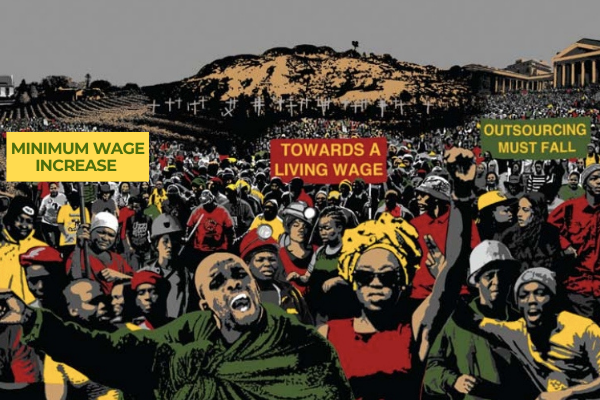
Fourteen years after farm workers walked off Keurboschkloof farm on 27 August 2012, the De Doorns uprising remains a landmark in South African agricultural labour history. What began as a protest against poverty wages of R69–R75 a day spread across the Western Cape, forced a historic 52% minimum-wage increase, and exposed the deep structural problems of casualisation, labour brokering and insecure tenure that still shape life in the Hex River Valley.